

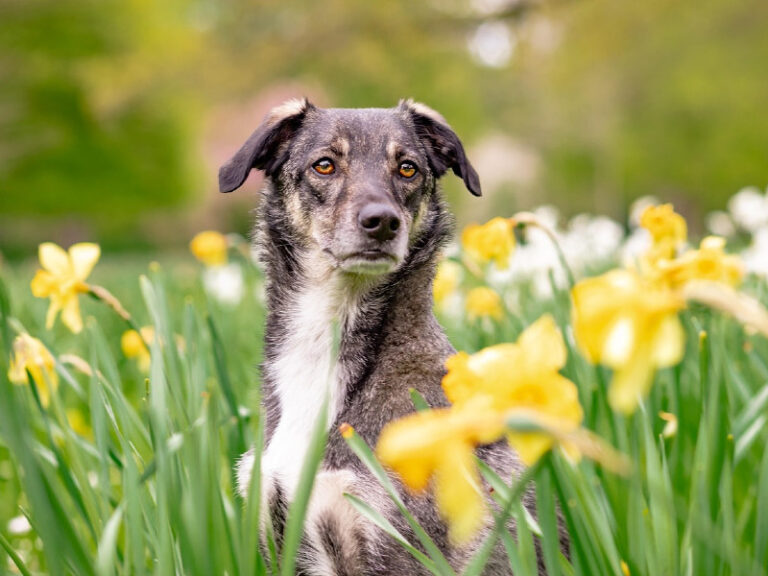
As the days get longer and the flowers begin to bloom, many of us look forward to the joys of Portland’s warm spring weather, fresh air and outdoor adventures with our pups. However, just like humans, dogs can suffer from seasonal allergies, and spring is a prime time for allergens like pollen, mold, and grass. If you’ve noticed your dog scratching more than usual or showing signs of discomfort, it could be due to spring allergies.
Recognizing the Symptoms of Spring Allergies in Dogs
It’s important to be able to spot the signs of allergies early, especially since many of the symptoms overlap with other conditions. Here’s what to watch out for:
- Itchy skin: One of the most common signs of allergies is increased itching. Your dog may scratch, bite, scoot or lick more than usual.
- Red, inflamed paws and ears: Constant scratching and licking can lead to swollen, irritated paws or ears.
- Watery eyes and runny nose: Dogs with allergies often develop watery eyes or a runny nose.
- Sneezing and coughing.
- Excessive grooming: If you notice your dog grooming excessively, such as licking their fur, they’re likely trying to relieve itchy skin.
- Irritability: Allergies can make your dog uncomfortable, causing them to become irritable or anxious.
Common Causes of Spring Allergies in Dogs
Understanding the causes of your dog’s allergies is key to managing them effectively. During spring, environmental factors such as increased pollen levels, especially in the morning and evening, pose a significant risk to dogs that spend time outdoors. As the spring season brings more rain and blooming trees, the damp, shaded areas created become ideal breeding grounds for mold, which can trigger allergic reactions. Additionally, fleas are more prevalent in the spring, and their bites can lead to flea allergy dermatitis (also known as FAD), causing itching and discomfort for your dog. For a more detailed list of potential allergens, check out this blog post.
It’s important to note that food allergies and environmental allergies often have the same symptoms. However, environmental allergies are usually more prominent during spring, so if your dog’s symptoms get worse around this time of year, it’s more likely they’re reacting to pollen or mold than to their food. If you're unsure, consult with your vet to rule out food allergies.
Ways to Treat and Alleviate Your Dog's Spring Allergies
Luckily, there are several ways to treat and manage your dog’s spring allergies. From topical treatments to medications and environmental changes, there are effective strategies to help alleviate their symptoms.
Topical Treatments
One option is to give your dog an oatmeal bath, which can soothe itchy skin and reduce inflammation. Hypoallergenic shampoos designed for sensitive skin can also provide relief. For more localized itching or rashes, medicated creams or sprays can be applied to reduce irritation and prevent infection.
Medications
Antihistamines are another option for managing your dog’s allergy symptoms. Always consult your vet for the appropriate dosage and type for your dog’s specific needs. For more severe allergic reactions, steroid medications may be prescribed to reduce inflammation and itching. If your dog’s symptoms persist, your vet might recommend prescription allergy medications for more targeted relief.
Natural Remedies
Natural remedies can also be helpful. Coconut oil is known for its ability to soothe irritated skin and reduce inflammation. Many pet parents find it useful for treating hot spots and dry, flaky skin. Omega-3 fatty acids, often available in supplement form, can support overall skin health and reduce inflammation. Aloe vera is another soothing option that can be applied directly to rashes or irritated areas for quick relief.
Environmental Changes
In addition to treatments, making a few changes in your dog’s environment can also help minimize allergy triggers. Limiting outdoor exposure during peak pollen hours, typically in the early morning and evening, can reduce your dog’s contact with allergens. Regular cleaning of your dog’s bedding, toys, and living areas can help reduce the accumulation of dust, pollen, and mold. If you’re concerned about allergens inside your home, consider using an air purifier to filter out pollen and dust, creating a more comfortable environment for your dog.
When to Visit the Vet
If your dog’s symptoms are severe or don’t improve with at-home treatments, you should schedule a visit to the vet. Your veterinarian can perform allergy tests to identify the exact triggers and recommend a tailored treatment plan. In some cases, allergy shots or immunotherapy may be suggested to help desensitize your dog to specific allergens. It's important to consult with your vet, especially if your dog shows signs of a serious allergic reaction, such as difficulty breathing or severe swelling.
Opt for Indoor Play
If your dog suffers from seasonal allergies, alleviate their symptoms by prioritizing indoor play. At Dogtopia, we offer spacious, climate-controlled playrooms that allow pups to get plenty of exercise and activity without being exposed to outdoor allergens. Contact one of our five locations in Portland today to schedule your dog’s daycare!