How to Read Your Dog’s Energy Level and Match Their Needs
September 4, 2026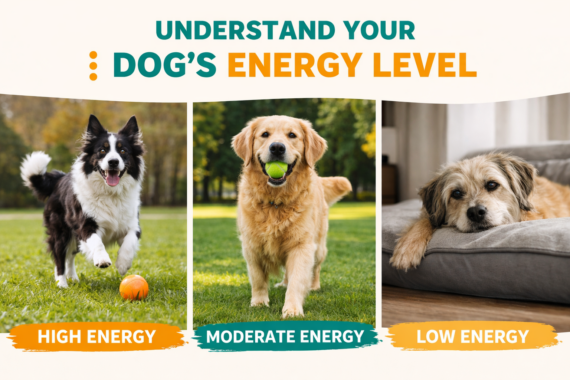
Every dog is different, and understanding your dog’s energy level is one of the most important parts of keeping them happy, balanced, and well-behaved. Dogs thrive when their physical activity, mental stimulation, and rest match their natural rhythm.
In fact, both exercise and mental enrichment are essential for healthy behavior and development, not just physical activity alone.
Observe Your Dog’s Natural Behavior
The first step is simply paying attention. Dogs will show you their energy level through their daily habits.
- High-energy dogs may pace, jump, bark, or constantly seek interaction
- Moderate-energy dogs enjoy activity but settle easily
- Low-energy or senior dogs prefer lounging and gentle engagement
Watch how your dog behaves after walks, meals, or downtime. Over time, patterns will become clear.
Understand Play Style and Energy
Dogs don’t all play the same way, and that matters.
- High-energy play includes running, chasing, and zoomies
- Moderate play involves fetch, short games, or interactive toys
- Low-key play may look like chewing, sniffing, or relaxing with a toy
Matching play to your dog’s energy prevents frustration and helps them feel satisfied.
Read Body Language and Signals
Dogs constantly communicate their needs—you just have to notice.
- Excited dogs may appear bouncy, alert, and restless
- Relaxed dogs have soft eyes and calm movement
- Overstimulated dogs may bark, pace, or show stress signals like yawning or lip licking
Because of this, adjusting activity before your dog becomes overwhelmed makes a huge difference.
Match Exercise to Energy Level
Once you understand your dog’s energy, you can meet their needs more effectively.
- High-energy dogs need structured exercise like running, fetch, or daycare play
- Moderate-energy dogs benefit from daily walks and short play sessions
- Low-energy dogs do best with gentle walks and light activity
However, it’s not just about tiring them out—balance is key.
Don’t Skip Mental Stimulation
Mental exercise is just as important as physical activity.
Enrichment activities like puzzle toys, scent work, and training games challenge your dog’s brain and reduce unwanted behaviors. Dogs naturally need to explore, sniff, and problem-solve to feel fulfilled.
For more ideas on enrichment and training, check out the AKC:
👉 https://www.akc.org/expert-advice/training/
Balance Activity with Rest
Just as important as activity is downtime.
- Provide a quiet space for rest
- Encourage naps after play
- Avoid constant stimulation
A well-balanced dog isn’t constantly active—they know how to relax too.
Adjust for Age, Health, and Environment
Energy levels aren’t fixed—they change over time.
- Puppies are naturally higher energy
- Senior dogs slow down
- Health issues can impact stamina
- Busy environments can increase or decrease energy
Because of this, regular observation and adjustment are essential.
How Daycare Can Help
For dogs with higher energy or busy households, structured daycare can provide the right balance of activity, socialization, and mental stimulation.
👉 Learn more about our approach at Dogtopia of Geneva:
https://www.dogtopia.com/geneva/
Final Thoughts
Understanding your dog’s energy level allows you to meet their needs in a way that supports both their mental and physical well-being. When exercise, enrichment, and rest are balanced, dogs are calmer, more confident, and easier to live with.
At the end of the day, it’s not about doing more—it’s about doing what’s right for your dog.