Dog Health and Wellness: Why Regular Vet Care Matters
November 13, 2026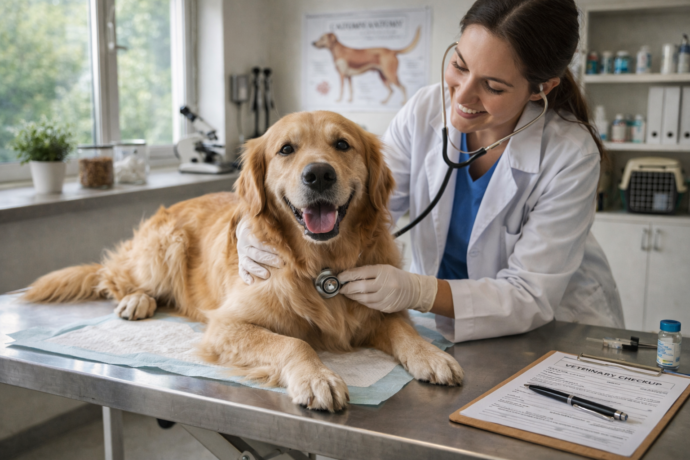
More Than Just Sick Visits
Dog health and wellness isn’t just about treating illness—it’s about prevention, routine care, and long-term quality of life.
Routine vet visits, vaccinations, and preventative care help catch problems early, support a longer lifespan, and keep your dog feeling their best. In many cases, early detection makes treatment easier and more effective.
At Dogtopia of Geneva, we see firsthand how consistent care supports better energy, behavior, and overall well-being.
Why Annual Vet Visits Support Dog Health and Wellness
Even if your dog seems perfectly healthy, routine vet visits are essential.
Dogs often hide discomfort, and many health issues develop slowly without obvious symptoms.
During a wellness exam, your veterinarian will:
- Check weight and body condition
- Examine teeth, ears, eyes, and skin
- Listen to the heart and lungs
- Identify early signs of illness
Because of this, regular checkups allow problems to be caught early—before they become serious.
👉 Learn more: https://www.akc.org/expert-advice/health/why-annual-vet-visits-are-important/
The Importance of Bloodwork
Bloodwork is one of the most valuable tools in preventative care.
Even when your dog appears healthy, it provides insight into internal health.
For example, it can help detect:
- Organ dysfunction
- Thyroid imbalances
- Infection or inflammation
- Early-stage disease
In addition, it creates a baseline so your vet can track changes over time and support long-term health.
Vaccinations and Preventative Care
Vaccinations play a key role in keeping dogs safe—especially in social environments.
At Dogtopia of Geneva, we require:
- Rabies
- Bordetella
- Distemper (DHPP)
We also recommend:
- Canine Influenza vaccine
These vaccines help prevent highly contagious illnesses and protect both individual dogs and the larger dog community.
👉 Learn more: https://www.aspca.org/pet-care/dog-care/dog-vaccinations
Spaying and Neutering: Why It Matters
Spaying or neutering supports both long-term health and behavior.
Health benefits include:
- Reduced cancer risk
- Prevention of infections
- Lower risk of reproductive issues
Behavioral benefits may include:
- Reduced roaming
- Less marking
- Lower hormone-driven stress
Because every dog is different, it’s best to discuss timing with your veterinarian.
Parasite Prevention
Preventative care goes beyond vaccines.
Year-round protection helps prevent:
- Heartworm disease
- Fleas and ticks
- Intestinal parasites
Consistent prevention is one of the simplest ways to protect your dog’s overall health.
Dental Health and Dog Health and Wellness
Dental care is one of the most commonly neglected areas of your dog’s health.
However, poor dental health can lead to:
- Pain and infection
- Tooth loss
- Difficulty eating
- Bacteria entering the bloodstream, which can contribute to heart disease and other organ issues
Because of this, dental health affects far more than your dog’s mouth.
Common signs include bad breath, tartar buildup, and red or irritated gums.
Regular cleanings and at-home care are essential for long-term wellness.
How Health Impacts Behavior
Physical health and behavior are closely connected.
When a dog is uncomfortable or dealing with an underlying issue, behavior changes often follow.
For example:
- Irritability
- Low energy
- Decreased tolerance with other dogs
- Changes in appetite
Because of this, maintaining strong overall health supports emotional balance and stable behavior.
Supporting Wellness Through Routine
Consistency plays a major role in maintaining your dog’s overall well-being.
👉 Read more about routine and consistency (link your routine blog)
In addition, structured daycare environments support both physical and mental wellness:
👉 https://www.dogtopia.com/geneva/
Final Thoughts
Dog health and wellness isn’t about reacting to problems—it’s about preventing them.
Regular vet visits, bloodwork, vaccinations, and preventative care all work together to support a longer, healthier life.
At Dogtopia of Geneva, we prioritize safety and wellness because healthy dogs are happier, more balanced, and better able to thrive.