Dog Tail Wagging: What Your Dog Is Really Saying
October 16, 2026
UNDERSTANDING DOG TAIL WAGGING
Dog tail wagging is one of the most recognizable signs of a dog’s mood. However, it doesn’t always mean happiness. Dogs use their tails to communicate a wide range of emotions, from excitement to anxiety.
By understanding dog tail wagging, you can strengthen your bond, prevent misinterpretation, and help your dog feel more comfortable in social situations.
In environments like daycare, tail signals become even more noticeable, since dogs are constantly interacting with others in a structured setting.
THE BASICS OF DOG TAIL WAGGING


A dog’s tail is an extension of their spine and a key communication tool. Because of this, small changes in movement can signal very different emotions.
Key factors to watch include:
- Tail height (high, mid, or low)
- Wag speed and intensity
- Overall body posture
- Ear position
Since tail wagging rarely stands alone, it’s important to read the entire dog—not just the tail.
TAIL POSITION AND WHAT IT MEANS
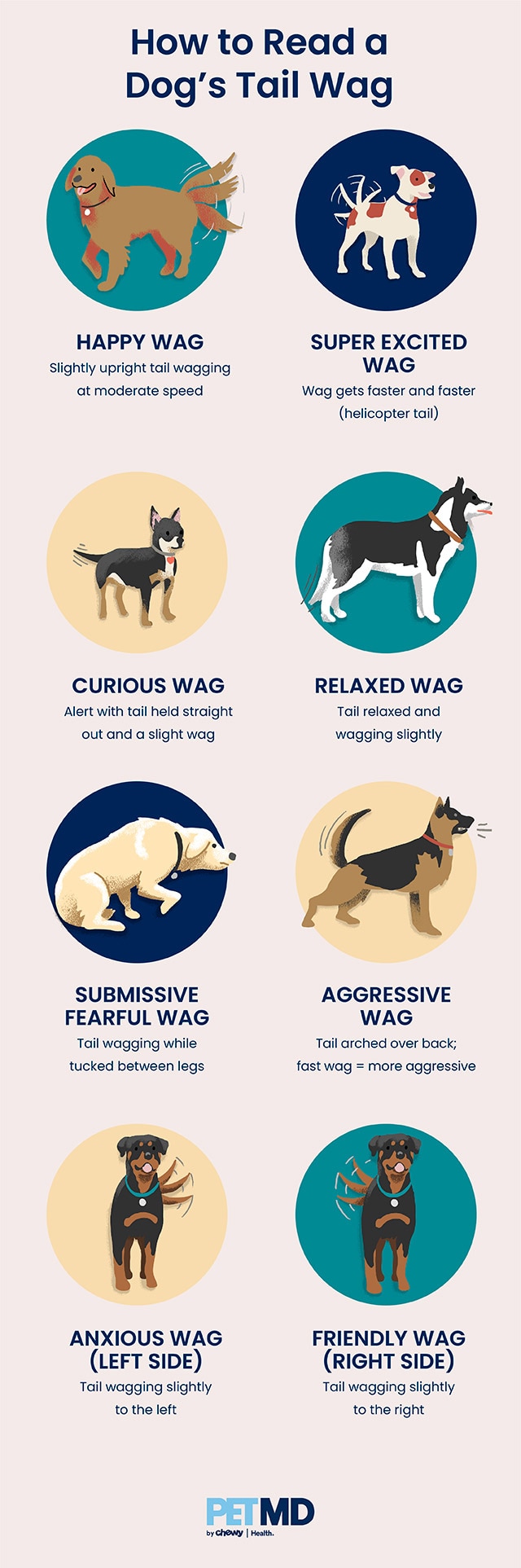
Tail position is one of the clearest indicators of how a dog is feeling.
- High, stiff wag: Alertness, confidence, or a potential warning
- Mid-level wag with relaxed body: Friendly, calm, and approachable
- Low or tucked tail: Fear, anxiety, or submission
By paying attention to tail position, you can respond appropriately and avoid misunderstandings between dogs.
WAGGING SPEED AND PATTERNS
In addition to position, the way a dog wags their tail also matters.
- Fast, loose wag: Excitement or eagerness to engage
- Slow, stiff wag: Uncertainty or caution
- One-sided wag: Research suggests right-side wagging is linked to positive emotions, while left may indicate stress
- Circular or “helicopter” wag: High excitement, playfulness, or strong affection
Because of these variations, recognizing patterns helps you better understand your dog’s emotional state.
WHY CONTEXT MATTERS
Tail wagging alone doesn’t tell the full story. Instead, dogs combine tail movement with other body language cues.
For example:
- Ears forward may signal alertness, while pinned ears suggest stress
- A relaxed body indicates comfort, whereas stiffness signals tension
- Vocalizations like barking or whining add another layer of meaning
At daycare, this full-body communication is especially clear, as dogs constantly respond to one another’s signals.
SOCIAL SIGNALS AND COMMUNICATION
Dogs rely heavily on body language to communicate with both humans and other dogs.
For instance:
- Friendly interactions often include relaxed, mid-level wagging with loose movement
- Overstimulation may show as fast, stiff wagging with tense posture
- Calm dogs typically display loose, balanced movement
- Circular wagging often signals playful intent
Understanding these signals is essential for preventing conflict and encouraging positive social interactions.
WHY OBSERVING TAIL WAGGING MATTERS
Learning to read dog tail wagging helps you better support your dog.
As a result, you can:
- Recognize mood and comfort levels
- Prevent miscommunication during greetings
- Adjust interactions based on your dog’s needs
- Catch early signs of stress or overstimulation
In structured environments like daycare, these observations are used daily to group dogs safely and appropriately.
HOW DOG DAYCARE SUPPORTS SOCIAL AWARENESS
At Dogtopia of Geneva, trained staff constantly observe dog body language—including tail wagging—to ensure safe and positive play.
Daycare provides:
- Supervised socialization
- Structured interactions
- Safe group matching by temperament
- Built-in rest periods
👉 Learn more:
https://www.dogtopia.com/geneva/
👉 You may also like:
https://www.dogtopia.com/geneva/benefits-of-dog-daycare-why-dog-daycare-is-good-for-your-dog/
👉 Additional reading:
https://www.akc.org/expert-advice/advice/how-to-read-dog-body-language/
FINAL THOUGHTS
Dog tail wagging is far more complex than it seems.
By paying attention to tail position, speed, and overall body language, you gain a clearer understanding of your dog’s emotions and needs.
Over time, this awareness strengthens your bond and helps you support a more confident, comfortable dog—whether at home or in a social setting like daycare.