Dog Body Language: Happy, Stressed, or Overstimulated Signs
October 2, 2026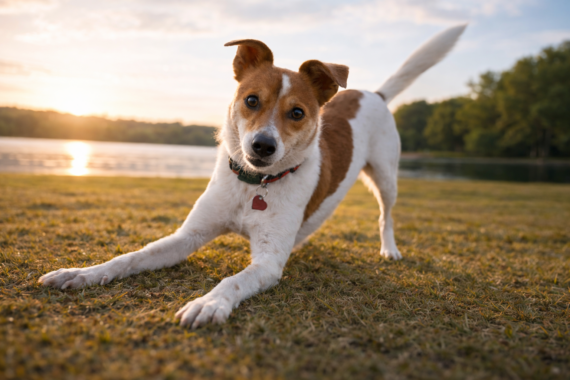
Understanding dog body language is one of the most important skills a dog owner can develop. Dogs communicate through posture, facial expressions, and movement—not words. Because of this, learning to read your dog’s signals helps you recognize when they are happy, stressed, or overstimulated. As a result, you can respond appropriately and prevent behavior issues before they start.
Whether your dog is at home, on walks, or socializing with others, paying attention to how they communicate allows you to better support their emotional and physical well-being.
Signs Your Dog is Happy
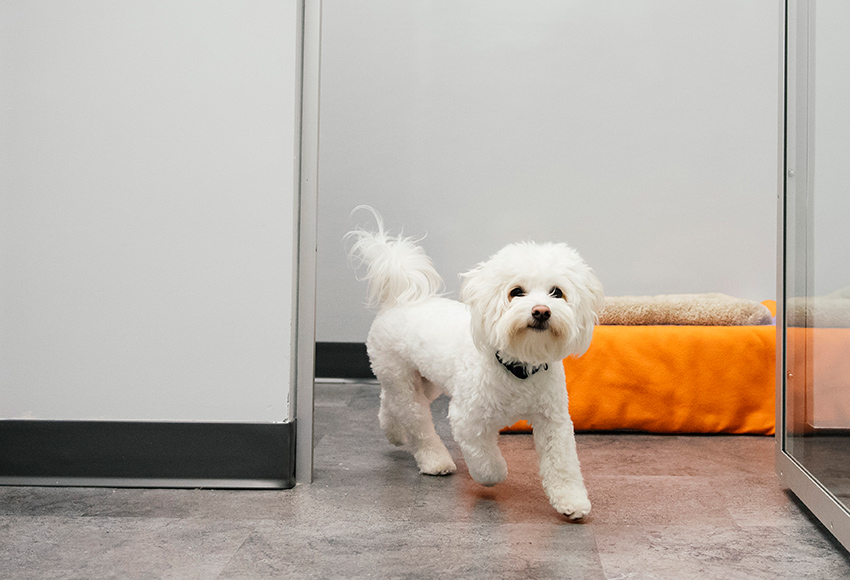
A happy dog is relaxed, confident, and comfortable in their environment. In general, their movements are loose and their expressions remain soft.
For example, common signs include:
● Tail wagging — relaxed, mid-level wagging usually means contentment
● Soft eyes and relaxed ears — no staring or tension
● A relaxed mouth — slightly open, sometimes a “smile”
● A play bow — front legs stretched forward, rear up
● A loose, flexible posture — easy, bouncy movement
When you recognize these signals, you can reinforce positive behavior and continue building a strong bond.
Recognizing Stress and Appeasement Signals
Stress often appears subtly before it escalates. For that reason, it’s important to notice early signs rather than waiting for obvious reactions.
Common stress signals include:
● Yawning, lip licking, or drooling — often signs of nervousness
● Lifting a paw — uncertainty
● Turning the head or avoiding eye contact — de-escalation
● Soft blinking — a calming signal
● Tail tucked or low — insecurity
● Ears pinned back — worry
● Pacing, whining, or low growling — early stress indicators
By recognizing these signals early, you can step in and prevent escalation.
For more information, visit:
https://www.akc.org/expert-advice/training/how-to-read-dog-body-language/
Additionally, you can learn how to reduce stress here:
https://www.dogtopia.com/geneva/holiday-stress-dogs-how-to-keep-your-pup-calm/
When Excitement Becomes Too Much
At times, excitement can quickly turn into overstimulation. In these moments, dogs may struggle to regulate their behavior.
Signs include:
● Excessive barking, jumping, or spinning
● Rapid, stiff tail wagging — tension rather than relaxation
● Rough mouthing or nipping
● Body tension or freezing
● Difficulty focusing or responding to cues
In these situations, stepping in early makes a big difference. For example, short breaks or lowering the intensity can help your dog reset.
You can find additional guidance here:
https://www.aspca.org/pet-care/dog-care/common-dog-behavior-issues
How Environment and Socialization Influence Behavior
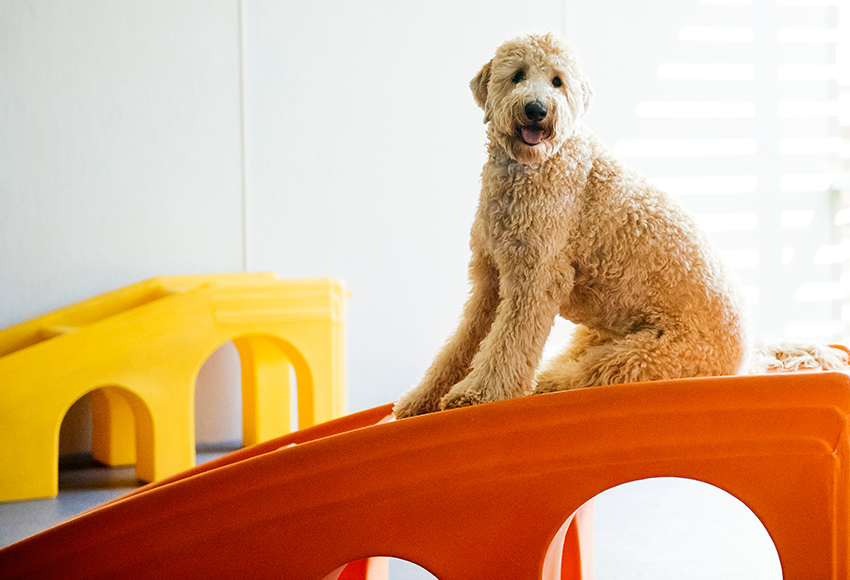
Dogs improve their communication skills through experience. In particular, safe and structured socialization helps them learn appropriate responses and boundaries.
Over time, dogs that regularly interact in controlled environments learn to:
● Read social cues from other dogs
● Manage excitement during play
● Build confidence in new situations
● Improve overall behavior
Because of this, consistent exposure to positive environments plays a major role in long-term behavior.
Learn more about the benefits here:
https://www.dogtopia.com/geneva/benefits-of-dog-daycare-why-dog-daycare-is-good-for-your-dog/
Tips for Reading Your Dog Every Day
Improving your ability to read your dog doesn’t require anything complicated. Instead, it comes down to consistent observation and awareness.
To start:
● Observe before interacting
● Watch the full body — not just the tail
● Respect signs of stress or overstimulation
● Stay calm — your energy matters
● Reinforce relaxed, balanced behavior
Over time, this awareness helps prevent behavior issues and improves communication.
Final Thoughts
Understanding dog body language allows you to better meet your dog’s needs, prevent stress, and build trust. More importantly, it helps you respond in a way that supports both safety and confidence.
When you can recognize the difference between a relaxed, stressed, or overstimulated dog, you create a more positive experience for everyone involved.
Ultimately, structured and supervised socialization helps dogs practice communication, regulate excitement, and build confidence—leading to a calmer, well-balanced companion.