Is Your Dog Home Alone All Day? How to Help When Your Schedule Changes
August 18, 2026
When school starts back up and work schedules get busier, the rhythm of the household can change quickly. Kids are gone during the day, parents may be spending more time back in the office, and summer routines can disappear almost overnight.
For your dog, that can mean one very noticeable difference: more time home alone. Some dogs adjust without much trouble, while others may need help settling into the new routine, especially if they became used to having people around throughout the day. The key is paying attention to how your dog responds and making sure they are still getting the activity, interaction, and consistency they need.
Your Schedule Changed. Your Dog’s Did Too.
Dogs tend to get comfortable with routines. They learn when breakfast happens, when everyone leaves, when walks take place, and when the family comes home. When that schedule changes suddenly, it can take some dogs time to adjust.
That is especially relevant this time of year. As Austin families settle back into school schedules and more people spend part or all of the workweek in the office, dogs that had more company during the summer may suddenly be spending several additional hours by themselves.
That does not automatically mean there is a problem. Many dogs are perfectly comfortable spending time alone. But when the household routine changes significantly, it is worth watching for signs that your dog may need a little more support.
Signs Your Dog May Be Struggling With More Time Alone
Changes in behavior can sometimes signal that a dog is bored, has too much pent-up energy, or is having difficulty adjusting to spending more time alone.
You may notice:
- Destructive chewing or getting into things they normally leave alone
- Increased barking or whining
- Accidents in a dog that is normally house-trained
- Pacing or difficulty settling down
- A burst of unusually high energy when you get home
- Changes in appetite
- Increased clinginess
- Restlessness in the evening
It is also important to distinguish boredom and excess energy from true separation anxiety. A dog that chews a shoe because it has pent-up energy is different from a dog experiencing significant distress whenever it is left alone.
If your dog shows severe or persistent signs of anxiety, talk with your veterinarian or a qualified behavioral professional. Daycare can be a useful outlet for many dogs, but it is not a treatment for every behavioral issue.
How Long Can a Dog Be Left Home Alone?
There is no single amount of time that is right for every dog. Age, health, temperament, activity level, bathroom needs, and previous experience being alone all matter.
Rather than focusing only on the number of hours, think about the full day. Is your dog getting enough exercise, bathroom breaks, mental stimulation, and interaction? Just as important, what is their behavior telling you?
If your dog seems calm and comfortable, your routine may be working well. If you are regularly coming home to a dog that is restless, destructive, or overflowing with pent-up energy, that may be a sign the day needs more structure or a break in the middle.
What Can You Do If Your Dog Is Home Alone More?
A changing schedule does not necessarily require a major change in your dog’s life. A few practical adjustments can make a meaningful difference.
Create a Predictable Routine
Dogs often do well when they know what to expect. Keeping meals, walks, departures, and evening routines relatively consistent can help make a changing household schedule feel more predictable.
If possible, avoid changing every part of the routine at once. A little consistency can help your dog settle into the new normal more easily.
Give Them Some Activity Before You Leave
A morning walk, play session, or other activity can give your dog an outlet for some of their energy before the house gets quiet. It does not have to be a long workout. Even a little focused activity can help start the day on a better note.
The goal is not simply to wear your dog out. It is to give them an appropriate opportunity to move and engage before a longer period of downtime.
Add Mental Stimulation
Physical activity is only part of the picture. Safe enrichment toys, food puzzles, and other activities can help make time alone less monotonous and give your dog something constructive to do.
As always, make sure anything you leave with your dog is appropriate for them to use safely without supervision.
Break Up the Day When Possible
If your workday keeps you away for a long stretch, look for ways to break up the day. That might mean coming home at lunch, asking a trusted family member or neighbor to stop by, hiring a dog walker or pet sitter, or arranging another activity during the day.
For some dogs, simply having that midday break can make a long day much easier to manage.
 When Dog Daycare Can Be a Good Fit
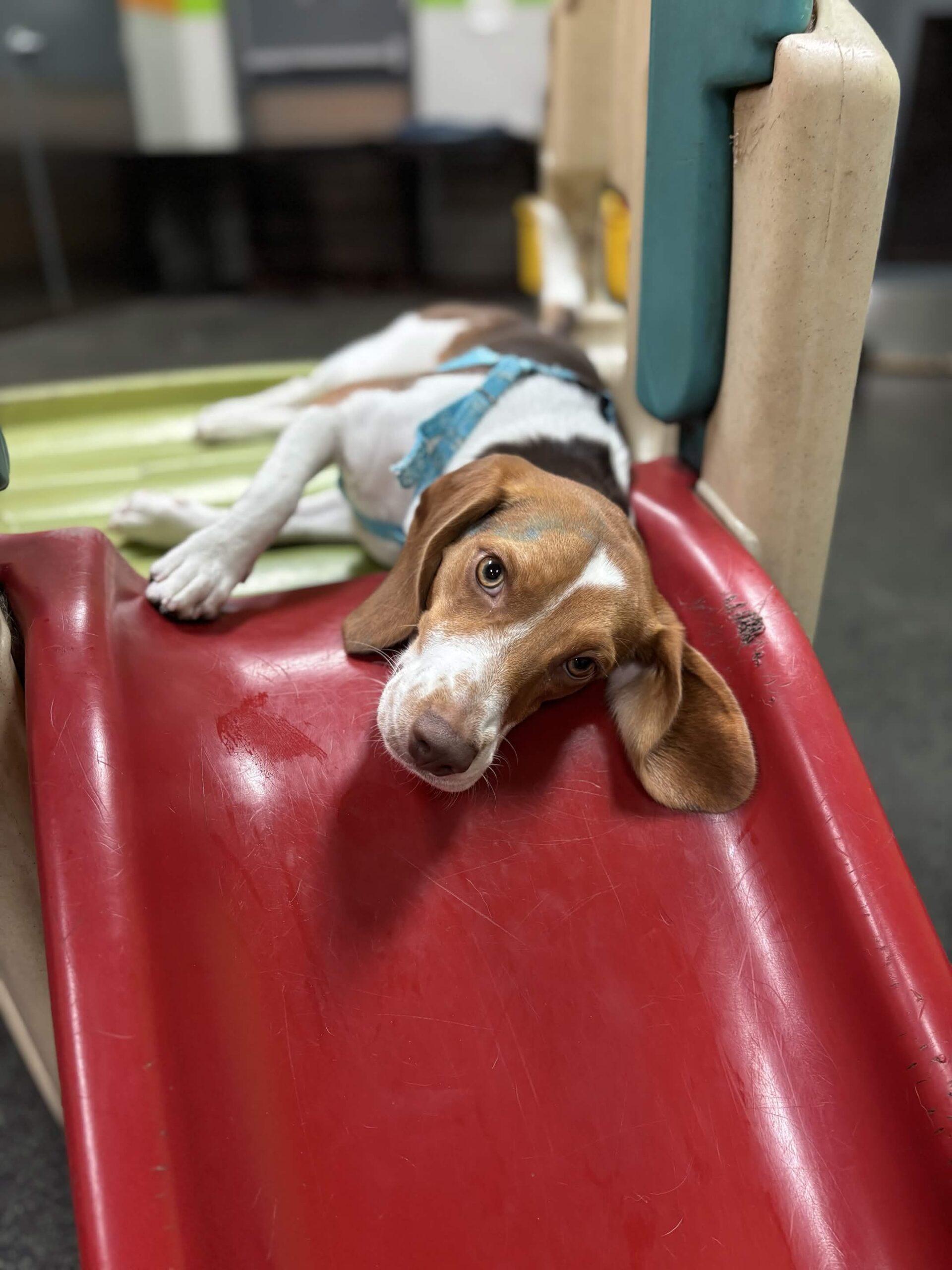
For dogs that enjoy being around other dogs and people, daycare can be a practical way to add activity, social interaction, and variety to the week.
It can be especially useful when your schedule changes but your dog’s needs do not. While you may be tied up at work for much of the day, your dog still needs opportunities to move, engage, take bathroom breaks, and spend time around people or other dogs.
A good daycare environment should provide more than just open play. It should include supervision, thoughtful playgroup placement, opportunities for socialization, interaction with trained team members, and time to rest.
Daycare also does not have to be an everyday commitment. For some families, one or two consistent daycare days each week can be enough to break up longer stretches at home and give their dog a different kind of day.
At Dogtopia of North Austin, we regularly meet families whose schedules have changed because of work, school, or other commitments. For many of those families, the question is not whether their dog can ever be left alone. It is whether the overall weekly routine is giving their dog enough activity, interaction, and consistency.
The right fit depends on the dog. Some dogs thrive in a social daycare setting, while others are happier with a quieter routine at home. The goal is to find the routine that best supports your dog.
Give Your Dog Something to Look Forward To
Back-to-school season and changing work schedules can be an adjustment for the entire household, including your dog. If your dog is suddenly spending more time home alone, watch how they respond and look for ways to add exercise, enrichment, consistency, or a break in the middle of the day.
For social dogs, daycare can be a practical part of that routine.
At Dogtopia of North Austin, daycare is designed to give dogs a balanced day that includes supervised play, social interaction, activity, and rest. Dogs are placed in appropriate playgroups based on factors such as size, temperament, and play style, and our team works to create an environment that is safe, engaging, and consistent.
For many North Austin families, that means their dog gets a fuller day while they are at work, at school activities, or managing a busy schedule. Instead of spending the entire day waiting at home, their dog has opportunities to play, interact, and settle into a routine of their own.
If you are wondering whether daycare might be a good fit for your dog, the best place to start is with a Meet & Greet.
Schedule a Meet & Greet with Dogtopia of North Austin.
Frequently Asked Questions
Is it bad for a dog to be home alone all day?
Not necessarily. Many dogs are comfortable spending time alone, but their age, temperament, health, bathroom needs, and activity level all matter. The bigger question is whether your dog is getting enough exercise, stimulation, interaction, and breaks throughout the day.
How long can a dog be left home alone?
There is no single answer that applies to every dog. Puppies, senior dogs, and dogs with medical or behavioral needs may require more frequent attention, while some healthy adult dogs may tolerate longer periods alone. Watch your dog’s behavior and make sure their physical and emotional needs are being met.
What are signs my dog may be bored when left alone?
Common signs can include destructive chewing, excessive barking, restlessness, accidents, getting into things they normally ignore, or having unusually high energy when you return home. Persistent or severe distress should be discussed with a veterinarian or qualified behavioral professional.
Can dog daycare help if my dog is home alone while I work?
For dogs that enjoy social settings, daycare can provide exercise, interaction, mental stimulation, bathroom breaks, and a more active routine during the day. It is not the right fit for every dog, but it can be a useful option for social dogs that would otherwise spend long stretches alone.
How often should my dog go to daycare?
There is no one schedule that works for every dog. Some dogs benefit from one or two consistent daycare days each week, while others may enjoy attending more often. The right frequency depends on your dog’s personality, energy level, schedule, and how well they respond to the daycare environment.