What to Do if Your Dog Seems Restless at Home
July 8, 2026
If your dog seems restless at home, you usually feel it too. Maybe they are pacing more than usual, having trouble settling down, following you from room to room, or suddenly bursting into zoomies at the end of the day. Sometimes it looks like clinginess. Sometimes it looks like boredom. Sometimes it just feels like your dog cannot fully relax.
 This is a common situation for pet parents, and it does not always mean something is wrong. In many cases, restlessness is simply a sign that a dog needs more activity, more mental engagement, more structure, or a better daytime outlet than they are getting right now.
Common Signs Your Dog May Be Feeling Restless at Home
Restlessness can show up in different ways depending on the dog. Some signs may be subtle, while others are harder to ignore.
A restless dog at home may:
- pace around the house
- have trouble settling down or relaxing
- whine or bark more than usual
- seem extra clingy or attention-seeking
- chew, dig, or get into mischief out of boredom
- have bursts of pent-up energy at odd times of day
- seem unsettled even after some activity
Not every dog will show the same behaviors, but many pet parents can tell when their dog just feels a little off, bored, or out of rhythm.
Why Dogs Can Become Restless
Dogs can become restless for a number of practical reasons. In many cases, it comes down to a mismatch between what a dog needs and what their current routine is giving them.
Some common causes include:
- not enough physical activity
- not enough mental stimulation
- long stretches at home alone
- changes in routine
- hot weather limiting walks and outdoor play
- a lack of structure during the day
- not enough social interaction or engagement
For some dogs, even a small change in routine can make a difference. A few missed walks, hotter weather, a busier workweek, or less consistent daytime activity can add up quickly.
What to Try First at Home
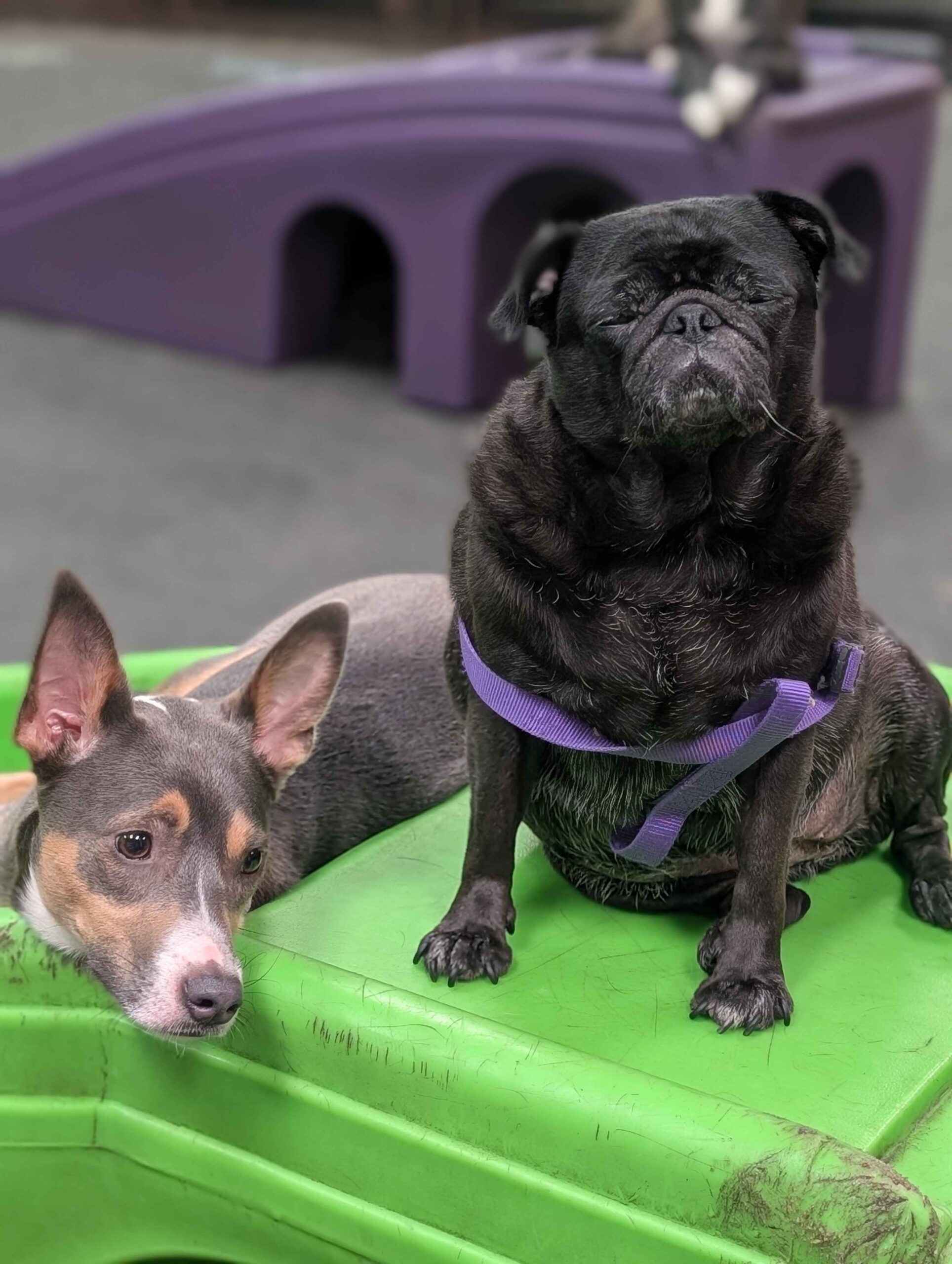
If your dog seems restless at home, it helps to start with a few practical adjustments first.
For some dogs, more regular walks can make a real difference. Others may benefit from visits to parks, more outdoor play, short games in the yard, or extra time spent doing something active with you. Mental stimulation matters too. Puzzle feeders, short training sessions, and simple enrichment activities can all help give a dog more to do during the day.
It can also help to look at your dog’s daily routine. Are they getting enough activity before you leave for work? Has the weather made outdoor exercise harder lately? Has your schedule changed in a way that affects their day more than you realized?
Some dogs respond well to these changes right away. Others still need a more consistent daytime outlet, especially if their restlessness is tied to boredom, excess energy, or a lack of structure during the week.
When Daycare May Help
For some dogs, daycare can be a helpful part of the solution.
A safe, structured daycare routine can give dogs more activity, engagement, and consistency during the day, especially when it is harder to provide enough of that at home. This can be especially helpful during hot North Austin summer stretches, when long walks and outdoor play are not always realistic.
Dog daycare may be worth considering if:
- your dog has energy that is hard to burn off at home
- your weekday routine is inconsistent
- summer heat is limiting outdoor activity
- your pup does better with structure and supervised engagement
- your dog enjoys being active and social
- you need a safe, reliable daytime outlet for them during the week
For many pet parents, dog daycare in North Austin is not just about giving a dog something to do. It is about helping them stay active, social, and more settled throughout the day. It can also help dogs come home calmer and easier to manage in the evening.
 Supporting Your Dog With the Right Routine
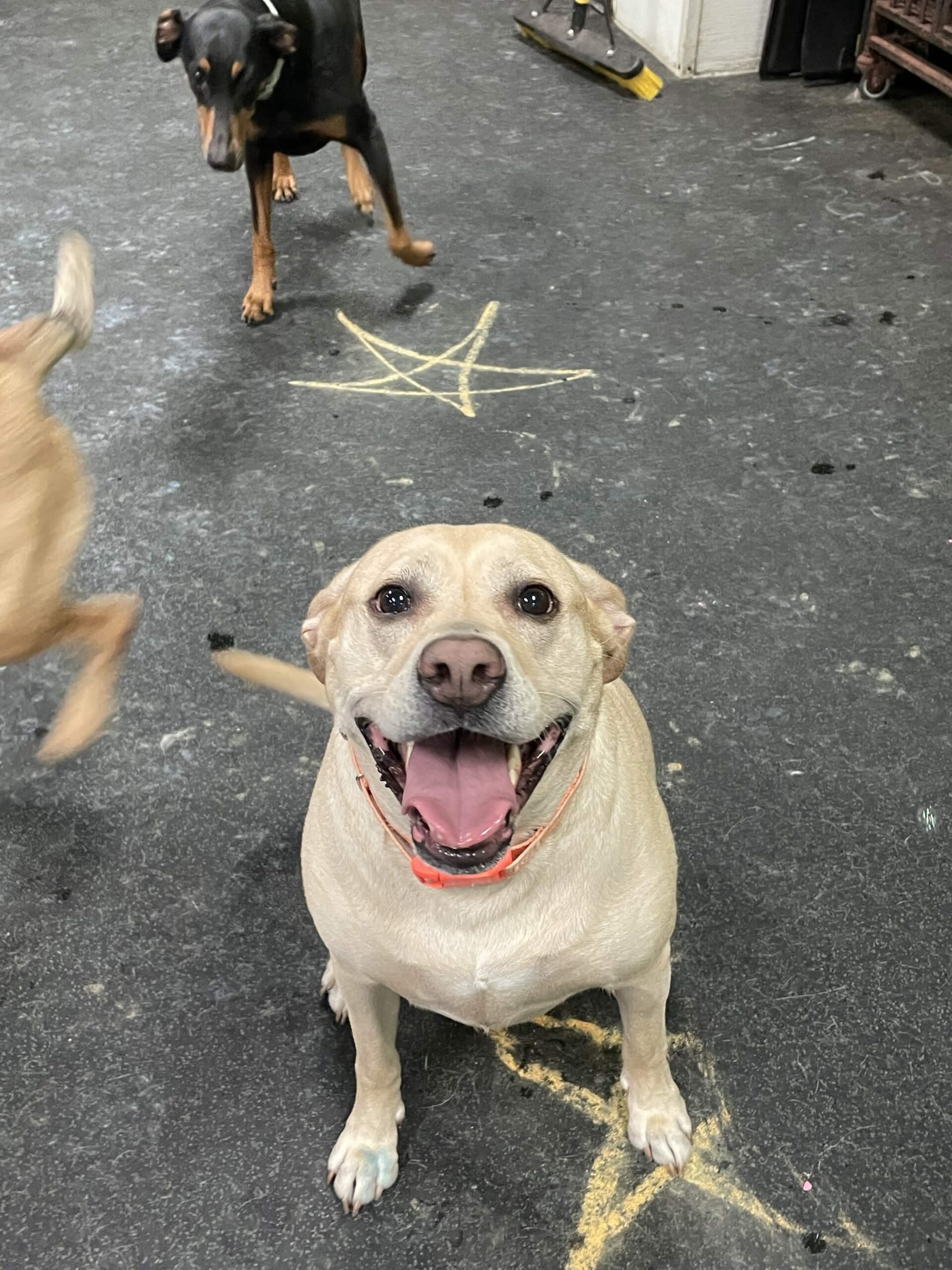
Restlessness is often a signal that something in your dog’s routine needs attention. For some dogs, that means more walks, park visits, or outdoor play. For others, it may mean more mental stimulation, a more predictable day, or a better daytime outlet.
Every dog is different, but behavior at home often tells you a lot. If your dog seems restless more often than usual, it may be worth stepping back and looking at how much activity, structure, and engagement they are getting during the day.
A Little More Support Can Go a Long Way
If your dog seems restless at home, a little more activity, structure, and engagement can go a long way. Sometimes a few changes at home are enough. In other cases, a more consistent daytime routine can make the biggest difference.
At Dogtopia of North Austin, daycare gives dogs a safe, structured place to play, socialize, and stay active during the day. If you are wondering whether daycare could help your dog feel more settled at home, our team would be happy to help you get started.