Introducing Your Dog to Other Dogs: Safe Socialization Tips
May 29, 2026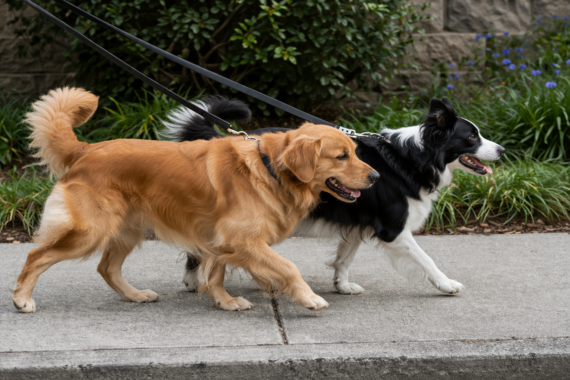
HOW TO INTRODUCE YOUR DOG TO OTHER DOGS SAFELY
Introducing your dog to other dogs can be exciting, but it also requires careful planning and observation. Proper introductions help dogs build confidence, develop social skills, and create positive experiences.
However, without the right approach, these interactions can lead to stress, fear, or conflict. Whether your dog is young, shy, or meeting a new friend for the first time, following safe practices makes a big difference.
UNDERSTANDING YOUR DOG’S PERSONALITY
Before introducing your dog to another dog, it’s important to understand their comfort level.
Some dogs are naturally social, while others need slower, more controlled introductions.
Before starting:
- Observe your dog’s body language
- Consider past experiences with other dogs
- Begin with calm, low-pressure interactions
By taking this step, you set the foundation for a successful introduction.
CHOOSING A NEUTRAL LOCATION
Location plays a big role in how dogs respond to each other.
Dogs can become territorial in familiar environments, so choosing a neutral space helps reduce tension.
For best results:
- Use a quiet, fenced area
- Keep the first meeting short
- Avoid busy or overstimulating locations
- Use draglines to allow natural movement without leash tension
- Stay calm—your energy influences your dog
Additionally, allow dogs to approach gradually rather than forcing interaction.
START WITH PARALLEL WALKING
One of the safest ways to introduce dogs is through parallel walking.
To do this:
- Walk both dogs in the same direction
- Keep a comfortable distance between them
- Gradually decrease space as both remain relaxed
This approach reduces pressure and helps dogs adjust naturally.
WATCH BODY LANGUAGE CLOSELY
During introductions, body language tells you everything.
Look for:
- Relaxed posture and loose tail wagging → comfort
- Stiff movement or growling → stress or tension
- Lip licking, yawning, paw lifts → calming signals
If needed, calmly create space and reset the interaction.
For additional guidance:
https://www.akc.org/expert-advice/advice/how-to-read-dog-body-language/
KEEP INTERACTIONS SHORT AND POSITIVE
Early introductions should be brief and successful.
For best results:
- End before either dog becomes overwhelmed
- Reward calm, friendly behavior
- Increase interaction time gradually
Over time, repeated positive experiences build confidence.
ALLOW SUPERVISED PLAY
Once both dogs are comfortable, supervised off-leash play can begin.
During this stage:
- Keep groups small
- Monitor for overstimulation
- Step in calmly if needed
Structured daycare environments are ideal for safe, guided socialization.
👉 Learn more:
https://www.dogtopia.com/geneva/
👉 You may also like:
https://www.dogtopia.com/geneva/benefits-of-dog-daycare-why-dog-daycare-is-good-for-your-dog/
BE PATIENT
Not every dog adjusts quickly.
Some need multiple, slow introductions before feeling comfortable. Because of this, patience and consistency are essential.
Avoid forcing interactions and allow your dog to build confidence at their own pace.
FINAL THOUGHTS
Introducing your dog to other dogs takes preparation, awareness, and patience.
By choosing neutral locations, reading body language, and keeping interactions positive, you create experiences that support long-term social success.
With the right approach, dogs can learn to interact confidently and safely in a variety of environments.