Puppy Socialization In A St. Louis Winter
November 17, 2025
Short days and cold nights change how families exercise their dogs, especially those high energy breeds and if you have a puppy. When it gets dark by late afternoon, evening walks get skipped. Energy piles up. Behavior slips. Socialization does not stop for winter, so you need a controlled, indoor plan.
What Socialization Actually Is
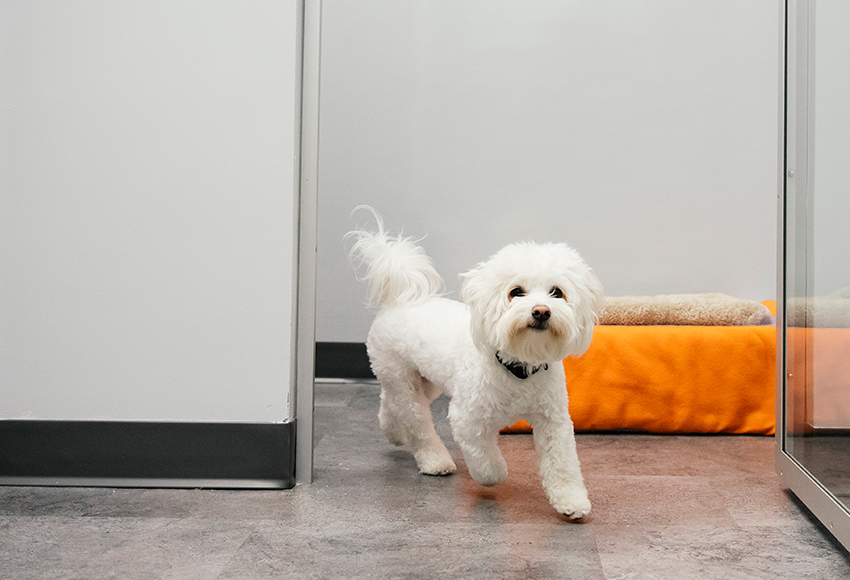
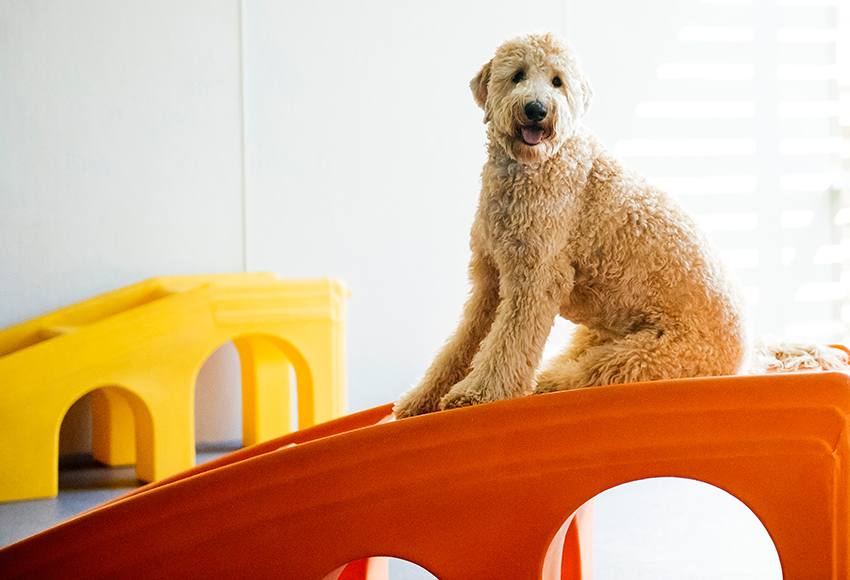
Repeated, supervised exposure to other dogs, people, sounds, and novel environments. Structured group play teaches impulse control, space sharing, and calm greetings. Random dog park meetups do not deliver consistent results. Supervised open play does.
Why Early Darkness Changes The Equation
Less daylight and lower temperatures means fewer safe walks. Ice, road salt, and limited visibility make night walks inconvenient and risky. This leaves your dog with pent-up energy and this often manifest in destructive behaviors around the house or a constant nagging for attentions. In West St. Louis County this hits families near Ballwin, Wildwood, Town and Country, Chesterfield, and Manchester hardest because evening traffic on the Manchester Road corridor reduces safe shoulder space for pedestrians and dogs. Consistency suffers unless you replace outdoor time with a predictable indoor routine.
Why Doggie Daycare Works In Winter
Frequency over intensity. Short, repeated sessions beat occasional long walks.
Safety and predictability. Climate‑controlled rooms, rubber flooring, and certified supervision remove the hazards of dark streets.
Behavior maintenance. Regular peer interaction keeps social skills sharp and prevents winter regression.
Energy regulation. Controlled play reduces pent‑up energy that shows up as barking, chewing, or rough indoor play.
Puppy Socialization Has A Deadline
The learning window for puppies is short. Winter does not pause it. A structured puppy socialization program gives safe repetition while you avoid icy sidewalks. Coordinate timing with your veterinarian’s vaccine plan.
Practical Weekly Plan For West County Families
Use this as a model and adjust for your dog’s age and temperament.
-
Puppies: at least 3 day per week of supervised group play plus one short training session at home each non‑daycare day.
-
Younger Dogs: on average 2 to 3 days per week to maintain social fluency and energy balance.
-
Adult dogs: 1 to 2 day parts per week plus one weekend neighborhood walk when daylight allows.
-
Reactive or sensitive dogs: Conduct a Meet and Greet and get a recommended plan. Shorter day parts in lower‑arousal rooms with gradual progressions.
Schedule around real life in Ballwin, Wildwood, Town and Country, Chesterfield, and Manchester. If Clarkson Rd. or New Ballwin Rd. traffic cuts into your evening, shift exercise to morning drop‑offs.
Local Factors To Consider
-
Road salt and paw care: rinse and dry paws after any outdoor walk.
-
Visibility: use reflective gear for any dusk outings.
-
Holiday travel: pre‑board daycare sessions reduce stress before overnight stays.
-
Indoor enrichment: rotate food puzzles, nose work, and short obedience drills on non‑daycare days.
What To Look For In An Indoor Program
-
Supervised, size and temperament‑sorted playrooms
-
Trained coaches who manage arousal and guide greetings
-
Clean, rubberized floors and fresh air management
-
Webcams for parent visibility
-
Clear protocols for health, vaccines, and rest cycles
- and of course, an amazing and dog loving staff!
Summary and New Parent INFO
Winter reduces outdoor options in St. Louis. Early darkness and cold increase the need for structured indoor socialization. A consistent doggie daycare routine maintains behavior, keeps energy in check, and gives puppies and adults the repetition they need. Read more about socialization from The Humane Society Families near Ballwin, Wildwood, Town and Country, Chesterfield, Manchester, and along Clarkson Rd. and New Ballwin Rd. can protect training progress by replacing skipped night walks with supervised, indoor social time.
- share
- on Facebook
- on Twitter
- by email
- by link