How Does Humidity Affect Dogs?
When summer arrives, temperature may be the main focus before heading outside, especially on walks or outdoor adventures with your dog. However, paying attention to the humidity level can be just as important. Even if it may not be too hot out temperature-wise, humid weather can still make it harder for pups to stay cool and comfortable.
Because dogs primarily cool themselves through panting rather than sweating like humans, high humidity can reduce their ability to regulate their internal temperature, increasing the risk of overheating, heat exhaustion, or worse if precautions are not taken in advance.
In this post, we help answer:
- How does humidity impact a dog’s ability to regulate body temperature?
- Why does humidity affect certain dogs more than others?
- What are the signs of overheating in dogs?
- Does humidity impact a dog’s skin?
- Can humidity affect a dog’s paw pads?
- When is it too humid to walk your dog?
HOW DOES HUMIDITY IMPACT A DOG’S ABILITY TO REGULATE BODY TEMPERATURE?
When it is hot outside, dogs pant to try to cool themselves down. When this happens, moisture evaporates from their tongue, mouth, and respiratory tract, which helps release excess body heat. However, when the air is already wet and humid, this moisture cannot evaporate as easily, making panting less effective and ultimately impacting their ability to regulate their body temperature.
WHY DOES HUMIDITY AFFECT CERTAIN DOGS MORE THAN OTHERS?
All dogs can struggle to regulate their temperature in hot and humid weather, but some are more vulnerable than others, such as:
- Puppies
- Senior dogs
- Overweight dogs
- Brachycephalic breeds (aka pups with flat faces), such as Bulldogs and Pugs, because of shortened nasal passages
- Dogs with heart or respiratory conditions
- Dogs with thick coats
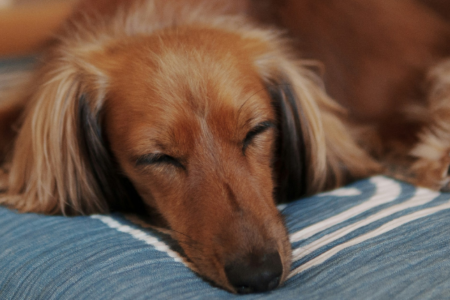
These pups may need more frequent rest breaks and extra supervision, particularly during the summer months.
SIGNS OF OVERHEATING IN DOGS
Recognizing the signs that your dog is overheating or is being affected by humidity before it becomes an emergency is key. Watch for symptoms like:
- Heavy or excessive panting
- Thick drool or excessive salivation
- Weakness or unusual fatigue
- Bright red or pale gums
- Slowing down or refusing to continue walking
- Vomiting or diarrhea
- Confusion or disorientation

THE ROLE HUMIDITY HAS ON A DOG’S SKIN
When a dog’s coat remains damp, such as from excessive humidity, it can trap heat and moisture close to their skin, creating a breeding ground for bacteria and yeast. Because of this, it is important to keep an eye out for hot spots (aka acute moist dermatitis), which are inflamed, irritated patches/lesions that can appear on a dog’s skin and cause pain if left untreated.
You may find your pup is excessively licking, chewing, or scratching certain areas of their body if they develop this, which can worsen the irritation. Other signs to look for include red/moist skin, hair loss in the area, an unpleasant odor, or constant licking. If you notice these signs, it is best to contact your vet before it progresses.
Ways to prevent hot spots or skin infections on your dog after they’ve spent time in humid weather include regular grooming, drying your pup thoroughly after being outside or in water, and keeping their coat clean.
Check out our line of dog grooming products over on our Dogtopia Shop site.
CAN HUMIDITY AFFECT DOGS’ PAW PADS?
Humidity can make paw pads more sensitive or vulnerable. If dampness gets left between your pup’s toes, yeast infections can develop. Additionally, softer paw pads may be more susceptible to irritation. However, all paw pads can be equally affected by extremely hot surfaces, such as hot concrete or asphalt after being in the sun.
After spending time outdoors, check your dog’s paw pads for any signs of redness, lodged debris, burning, or irritation.
HOW TO TELL IF IT IS TOO HUMID TO WALK YOUR DOG
Just like you would check the temperature before heading outdoors, it’s worth glancing at the “feels like” temperature and/or the humidity percentage. If the heat index is climbing and you notice your pup is panting more or you yourself can feel the weather is hot and sticky, consider shortening your walk or waiting until the heat/humidity is not at its peak, such as early in the morning or later in the evening.
You know your dog best, so watching for signs that may be out of the ordinary for them when spending time outside, even if it’s just for a walk, is key.
HOW DOG DAYCARE CAN HELP DURING HUMID SUMMER WEATHER
Summer weather shouldn’t mean your pup’s playtime gets cut short. At Dogtopia, all our facilities feature spacious, climate-controlled indoor playrooms so we can keep the air cool and comfortable for dogs.
Instead of spending time in the heat, pups can enjoy supervised indoor play, social interaction with their friends, exercise to burn excess energy, and mental enrichment, all in a secure environment designed with their well-being in mind.
Contact your local Dogtopia to book your dog’s summer fun today!
This blog was reviewed/edited by Dogtopia’s Senior Director of Health & Safety Lorraine Rhoads, an experienced animal biologist and environmental scientist.

-
How will daycare benefit my dog?

Dogtopia provides a safe, fun environment for dogs to play, learn, exercise, and socialize with like-minded friends.
- Clean, climate-controlled playrooms
- Activities designed to keep dogs active and moving safely
- Mentally stimulating games to strengthen problem-solving skills
- Caring, professionally trained coaches who interact with each dog