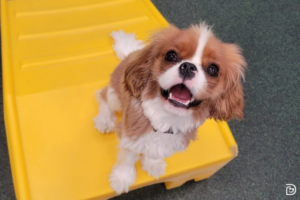
Tips For Training Your New Puppy
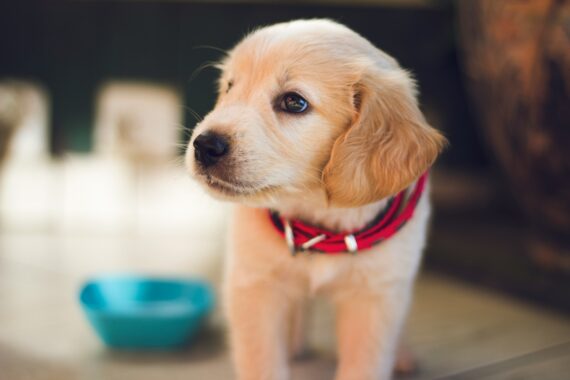
Bringing home a new puppy is an exciting, joyful experience, but it also comes with a lot of responsibility. Training your puppy early helps set the foundation for good behavior, confidence, and a happy life for the both of you.
From basic commands to healthy routines, here are some essential tips to help your new pup get off to a great start.
Start Training Early (But Keep It Simple)
Puppies are always learning, even when you don’t realize it. While they may not master their manners and commands right away, early exposure to training is important. Start training as soon as you bring your puppy home to help shape good habits early. Begin with simple skills like:
- Learning their name
- Sitting on cue
- Coming when called
- Potty training routines
A few minutes at a time is all it takes to make progress while keeping your puppy engaged. Keeping the training sessions short, upbeat, and rewarding makes the experience more manageable for both you and your pup.
Be Consistent With Commands and Routines
Consistency is one of the most important parts of puppy training. Use the same words for commands, reward the same behaviors, and establish a predictable daily routine. Try to keep things like feeding times, potty breaks, walks, playtime, and training sessions on a predictable schedule. When your puppy knows what to expect, learning becomes easier.
Use Positive Reinforcement
Positive reinforcement is one of the most effective ways to train a puppy. Rewarding good behavior with treats, praise, toys, or affection encourages them to repeat those behaviors. Rather than focusing on mistakes, celebrate the wins, even the small ones. Using positive reinforcement helps to build trust, strengthen your bond, and helps your puppy grow into a confident dog.
Prioritize Early Socialization
Early socialization plays a huge role in your puppy’s development. Introducing your pup to new people, dogs, sounds, and environments helps prevent fear and anxiety later in life. Safe, supervised environments, like dog daycare, allow dogs to learn how to play appropriately, read social cues, and build confidence through positive interactions.
Be Patient (Accidents Will Happen)
Accidents, chewing, barking, and jumping are all normal puppy behaviors. Training takes time, and setbacks are part of the process. Patience and gentle redirection go a long way. Remember, your puppy isn’t trying to be “bad”, they’re just learning how the world works.
Support Their Health and Wellness Early with DASH
Training isn’t just about behavior; it’s also about overall wellness. Starting to monitor your pup’s activity and behavior while they’re young can help establish healthy habits that last a lifetime. Dogtopia’s wearable DASH activity monitor helps track your dog’s activity, behavior, and wellness all day. By using DASH early in your puppy’s life, you can establish healthy baselines, spot changes sooner, and support their physical and emotional development as they grow.
Reinforce Training Through Play and Structure at Dogtopia
Structured playtime helps burn off energy, reinforce good behavior, and encourage positive social skills. At Dogtopia, our supervised daycare environment combines fun with structure, giving puppies a safe space to learn routines, learn proper manners, and grow their confidence around other dogs and people. Find a Dogtopia near you and bring your pup in for their Meet & Greet!
This blog was reviewed/edited by Dogtopia’s Director of Health & Safety Lorraine Rhoads, an experienced animal biologist and environmental scientist.