
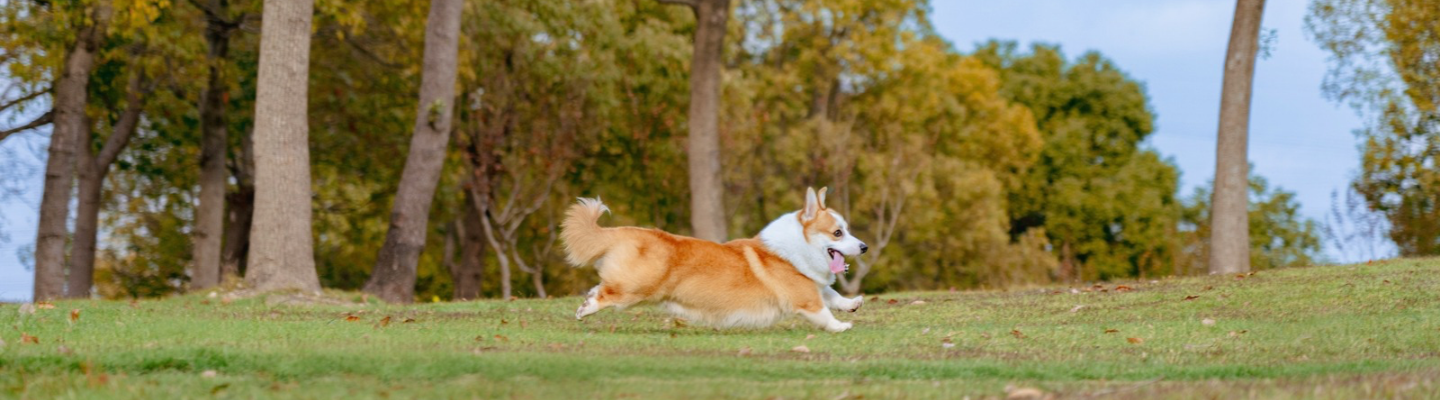
5 Reasons to Prioritize Your Dog’s Muscle Health
When you think about your pup’s overall wellness, does their muscle health come to mind? Muscles are used in almost every movement your dog makes, from walking and playing to simply moving around your home.
When muscle health declines, it can affect your pup’s mobility, balance, and various other aspects of their physical well-being. Supporting healthy muscles can help your dog stay active and continue enjoying the everyday activities they love.
In this post, we outline five reasons to prioritize your dog’s muscle health. We cover how:
- Strong muscles help your dog with everyday mobility, balance, and stability
- Muscle mass and strength can decline as dogs get older
- Muscle health supports joint stability in dogs
- Strong muscles support healthy weight management in dogs
- Strong muscles can help reduce the risk of injuries in dogs
1. STRONG MUSCLES CAN HELP DOGS WITH EVERYDAY MOBILITY, BALANCE, AND STABILITY
Your dog uses their muscles constantly throughout the day, even during simple movements like walking across the room to their water bowl or standing up from their bed, because different muscle groups must work together to move their body and maintain control.
Maintaining muscle strength can help your pup perform everyday movements comfortably. Strong muscles support balance and stability when they walk, play, change direction, and navigate different surfaces, while their trunk and core muscles support spinal and postural stability.

Regular physical activity that matches their age, size, fitness level, and individual needs is one of the best ways to support healthy muscles. Also watch for changes in how your dog moves, as difficulty getting up, reluctance to move, unusual stiffness, or a decrease in their usual activities could signal pain or other health concerns that require a vet visit.
2. MUSCLE MASS AND STRENGTH CAN DECLINE AS DOGS GET OLDER
A dog’s muscle condition can change with age, so whether you have a young pup or an older dog, supporting muscle health should be part of their wellness routine throughout their life so they are supported as they age.
As dogs get older, changes in activity and body composition can have a significant impact on their muscle condition. Many senior dogs gradually lose lean muscle mass and become less active, which can further reduce muscle condition. When this happens, older dogs’ physical strength and mobility can decline, making everyday movements harder, reducing stamina, increasing weakness, or making them more accident-prone. Age-related changes to a dog’s muscles can also occur alongside conditions like arthritis, which may further limit activity and increase muscle loss.
If you have a younger dog, prioritizing their muscle health now can help set them up for success as they get older. If you do have an older pup, speak with your vet first about appropriate exercise options that fit your dog’s needs, but consider gentle, shorter walks, swimming, or other low-impact exercises that support joint mobility.

3. MUSCLE HEALTH SUPPORTS JOINT STABILITY IN DOGS
Muscles and joints work together every time your dog moves. Joints are where bones meet, allowing the movement and range of motion your dog needs to walk, change positions, and stay active. Muscles generate the force needed to move the body while also helping control and stabilize the joints during activities such as walking, running, jumping, and getting up from a resting position.
Healthy muscles can support and better control joints as your dog moves, while also helping the body manage the force those joints experience during everyday activities. By incorporating appropriate exercises that strengthen your pup’s muscles, you can help improve the muscular support around their joints, which can contribute to greater stability, controlled movement, and overall joint function.
4. STRONG MUSCLES SUPPORT HEALTHY WEIGHT MANAGEMENT IN DOGS
Maintaining a healthy weight is an important part of your dog’s overall health and mobility. Carrying excess body weight can put extra stress on their joints and can be linked to other health concerns, while maintaining an appropriate weight for their age and breed can help your pup move comfortably and stay active. This is why prioritizing muscle health can make such a difference.
When dogs regularly use their muscles during activities like walking, playing, or age-appropriate exercise, they can maintain lean muscle mass and build the strength they need to stay physically active.
Healthy muscles can also help your dog stay capable of participating in the activities they enjoy. When walking, playing, and other movement are comfortable and manageable for your pup, it can be easier to maintain consistent physical activity as part of their daily routine.
It is important to remember that muscle health is just one part of healthy weight management, as diet, portion sizes, activity level, age, and individual health all influence weight. If weight is a concern, it is best to speak with your vet first to establish a plan for your pup.
5. STRONG MUSCLES CAN HELP REDUCE THE RISK OF INJURIES
We never want to think of our dog getting injured, but injuries can happen, especially during activities that involve running, jumping, or quick changes in direction. While strong muscles cannot prevent every injury, they can help your pup develop the strength, balance, and coordination needed to move their body with greater control during everyday activities and exercise.
Regular physical exercise can help prepare your dog’s body for the movements they regularly perform. By prioritizing muscle health, you can support safe, healthy movement and help them maintain the strength needed to stay active.
Maintaining healthy muscle mass may also give your pup a stronger physical foundation if they experience an injury, need surgery, or must restrict activity for a period of time. Reduced activity can lead to muscle loss and weakness, so healthy muscle mass and strength before a health setback give your dog a stronger base to maintain and rebuild during recovery.
YOUR DOG’S MUSCLE HEALTH CHECKLIST:
- Incorporate movement into your pup’s day by making regular walks, play, and other appropriate activities part of their routine.
- Change up the ways your dog moves by adding activities that encourage walking, turning, balancing, playing, and other controlled movements that they can comfortably handle.
- Choose exercises that align with your pup’s age, size, fitness level, and individual needs.
- Make note of any changes in your dog’s activity level, balance, and mobility that you can share with your vet.
- Adjust your pup’s routine as they age and incorporate lower-impact exercises.
- Regularly assess your dog’s weight and speak with your vet about their food and activity needs.
- Make consistent activity easier by finding reliable ways to give your pup regular opportunities to move, such as doggie daycare.
KEEP TRACK OF YOUR DOG’S ACTIVITY WITH OUR DASH ACTIVITY MONITOR
Adding fun agility exercises and movement to your dog’s day can support healthy muscles, but knowing how much activity they actually get can take your insight into their wellness routine to a whole new level.
Using Dogtopia’s DASH activity monitor, which attaches to your pup’s collar or harness, you can keep track of steps taken, distance traveled, time spent resting, and more, which can give you a clearer picture of how much your dog is moving throughout the day and help you better understand their activity patterns.
DASH can be especially useful when prioritizing your pup’s muscle health, since regular movement is key to maintaining strong, healthy muscles. Your dog can also get plenty of opportunities to stay active at Dogtopia, where supervised open play encourages movement, exercise, learning, and social interaction. For busy pet parents, doggie daycare can provide consistent opportunities for physical activity throughout the day, helping make regular movement a part of your pup’s routine.
Reach out to your local Dogtopia to learn more about daycare and DASH and give your dog more opportunities to stay active and support their muscle health
This blog was reviewed/edited by Dogtopia’s Senior Director of Health & Safety Lorraine Rhoads, an experienced animal biologist and environmental scientist.

-
How will daycare benefit my dog?

Dogtopia provides a safe, fun environment for dogs to play, learn, exercise, and socialize with like-minded friends.
- Clean, climate-controlled playrooms
- Activities designed to keep dogs active and moving safely
- Mentally stimulating games to strengthen problem-solving skills
- Caring, professionally trained coaches who interact with each dog